


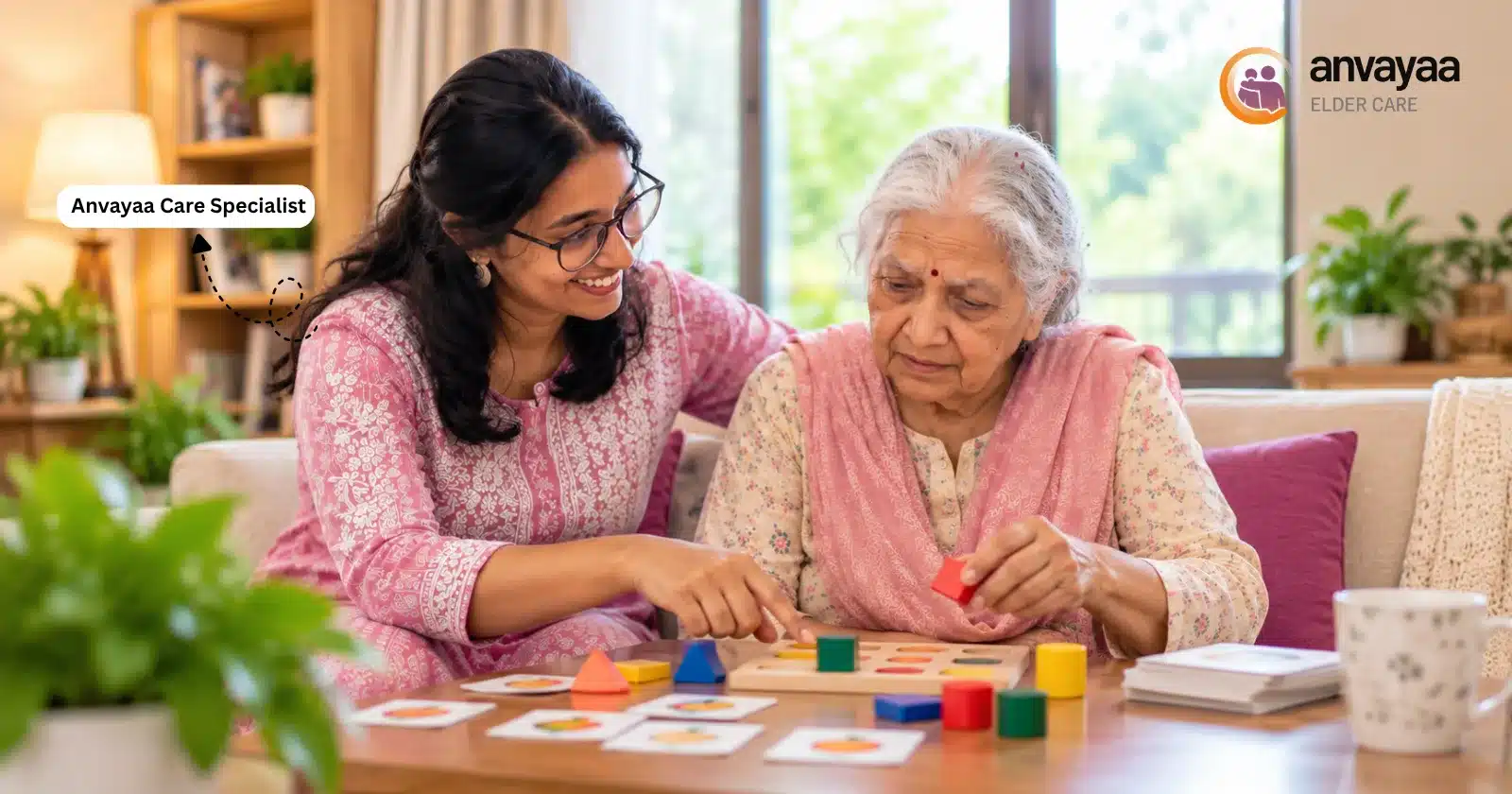
Dementia is a group of symptoms that are related to memory loss and other mental aspects which impair a senior citizen’s ability to perform even the simple most day-to-day activities. The most common form of dementia is Alzheimer’s disease, and almost all older adults start to experience it as they start going into the old-age zone. According to the World Health Organization (WHO), India has around 4 million individuals who are suffering from dementia. The most visible symptoms or the trigger points are forgetfulness and irritability. These two conditions are considered as a natural progression of age. This is the main reason dementia is diagnosed at a later stage at the point there is nothing that can be done to treat the condition.
There are a lot of myths that people believe in when it comes to dementia due to lack of proper awareness. Let us take a look at some of the most common myths and break them with the truth.
Myth: Dementia is a normal outcome of aging
Fact: Dementia is a term that is used generally to describe the progressive loss in memory or other mental condition aspects which prevent an older adult from doing their everyday tasks and activities.
Even if the statement were true, then seniors in their mid-60s and above would experience it, which is not the case. A lot of adults also advance into their 70s, 80s, and 90s with not much decline in their memory.
Myth: If your family has dementia or Alzheimer’s, then you will have it too
Fact: Alzheimer’s disease is a very common type of dementia. Although genetics could be responsible for its development, it is more likely to be the only one among various other factors that play a role. Other major factors are lifestyle and environment that you are surrounded by which contribute towards Alzheimer’s development.
Myth: There is nothing that you can do to reduce the risk of dementia
Fact: although research is monitoring closely environmental and lifestyle factors that play a role in the risk of dementia development, it appears that healthy nutrition and regular exercise can help lower the chances of you getting dementia. To simply put, what is good for your heart is also good for your brain. Further, keeping your social life active and keeping your brain or cognitive abilities in check by meditating, doing yoga, playing crossword puzzles, reading and learning new skills are considered as some of the important in decreasing the risk of dementia or in delaying its’ onset.
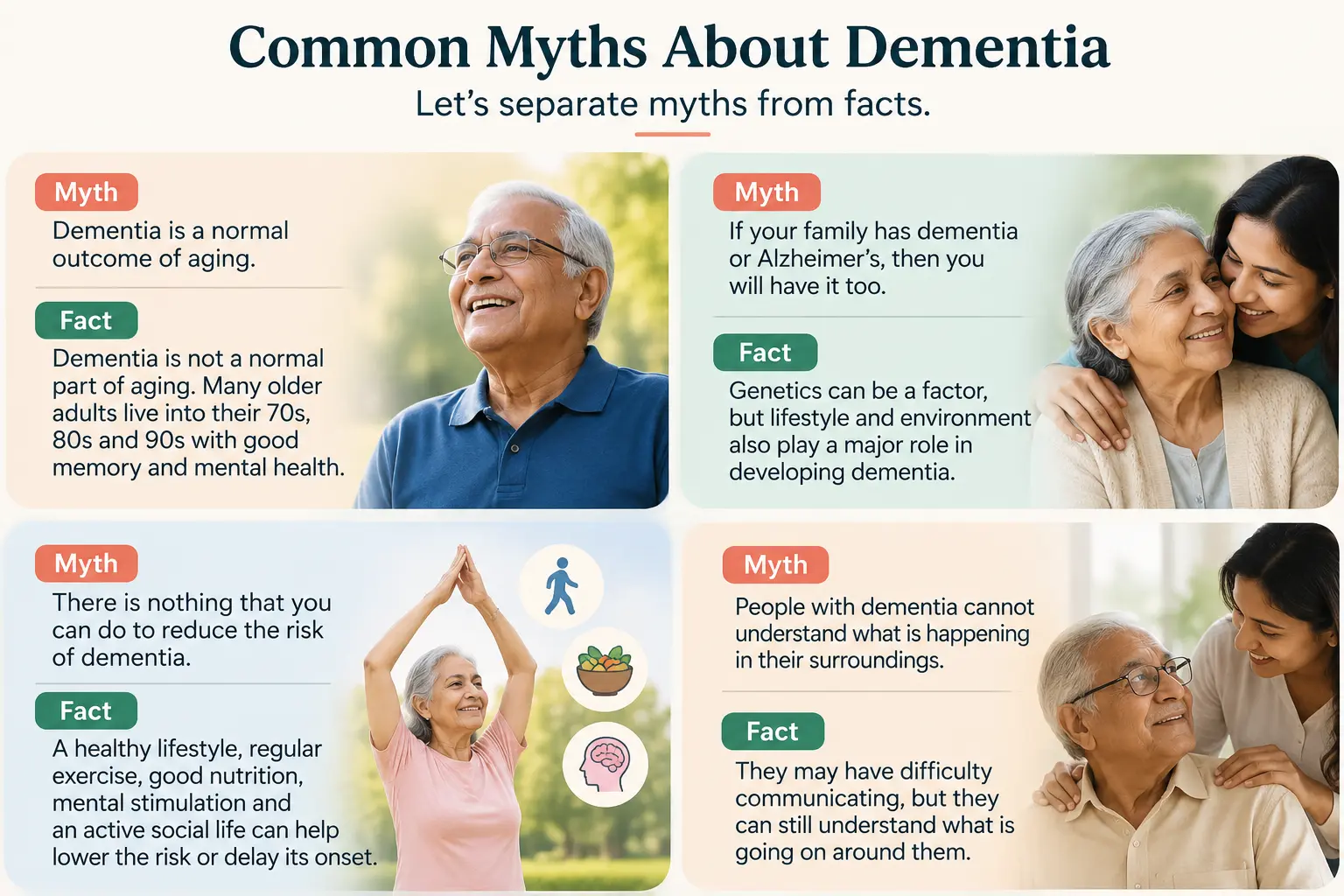
Myth: People with dementia cannot understand what is happening in their surroundings
Fact: some people believe that because a person with dementia is not communicating normally means that they are not able to understand what is going on around them. Well, this is not at all true as part of the brain that is responsible for communication is different from the part that is responsible for awareness. Hence, while they may be facing difficulties communicating, they most likely know what they want and are able to understand in what situation they are in. Hence, patience is one of the most important things that you should have while talking to people diagnosed with dementia.
Dementia has a great impact on health, finances, and relationships, but you can prevent it to a great extent by maintaining a healthy and active lifestyle. Activities that engage and challenge your body and mind will help you keep a lot of mental and physical diseases at arm’s length. You should also make sure you get regular health checkups particularly after you cross the age of 30 as the famous saying goes “Prevention is better than cure”.
What Does Anvayaa Provide for Seniors With Dementia?
Anvayaa provides personalized dementia care designed around the individual needs, abilities, and daily routines of each senior. Our dementia care specialists focus on keeping seniors engaged, supported, and comfortable while helping families manage the challenges associated with dementia.
- Personalized Cognitive Support at Home – Activities and routines tailored to the senior’s cognitive abilities.
- Social Engagement & Companionship – Meaningful interaction and companionship to reduce isolation and encourage emotional well-being.
- Monthly Monitoring & Personalized Feedback – Regular monitoring with updates to help families understand changes in their loved one’s needs.
- Activity Kit for Daily Engagement – Simple, purposeful activities and tools designed to encourage daily mental stimulation.
- Dementia Psychoeducation Sessions – Guidance for families and caregivers on understanding dementia, communication, behavioral changes, and everyday care.
Conclusion
Dementia care is not only about managing memory-related changes; it is also about preserving dignity, comfort, connection, and quality of life. At Anvayaa, our dementia care specialists provide personalized support at home while helping families better understand and respond to their loved one’s changing needs. Through cognitive support, companionship, regular monitoring, engaging activities, and family education, Anvayaa aims to make dementia care more structured and compassionate for both seniors and their families.
0 Comments