


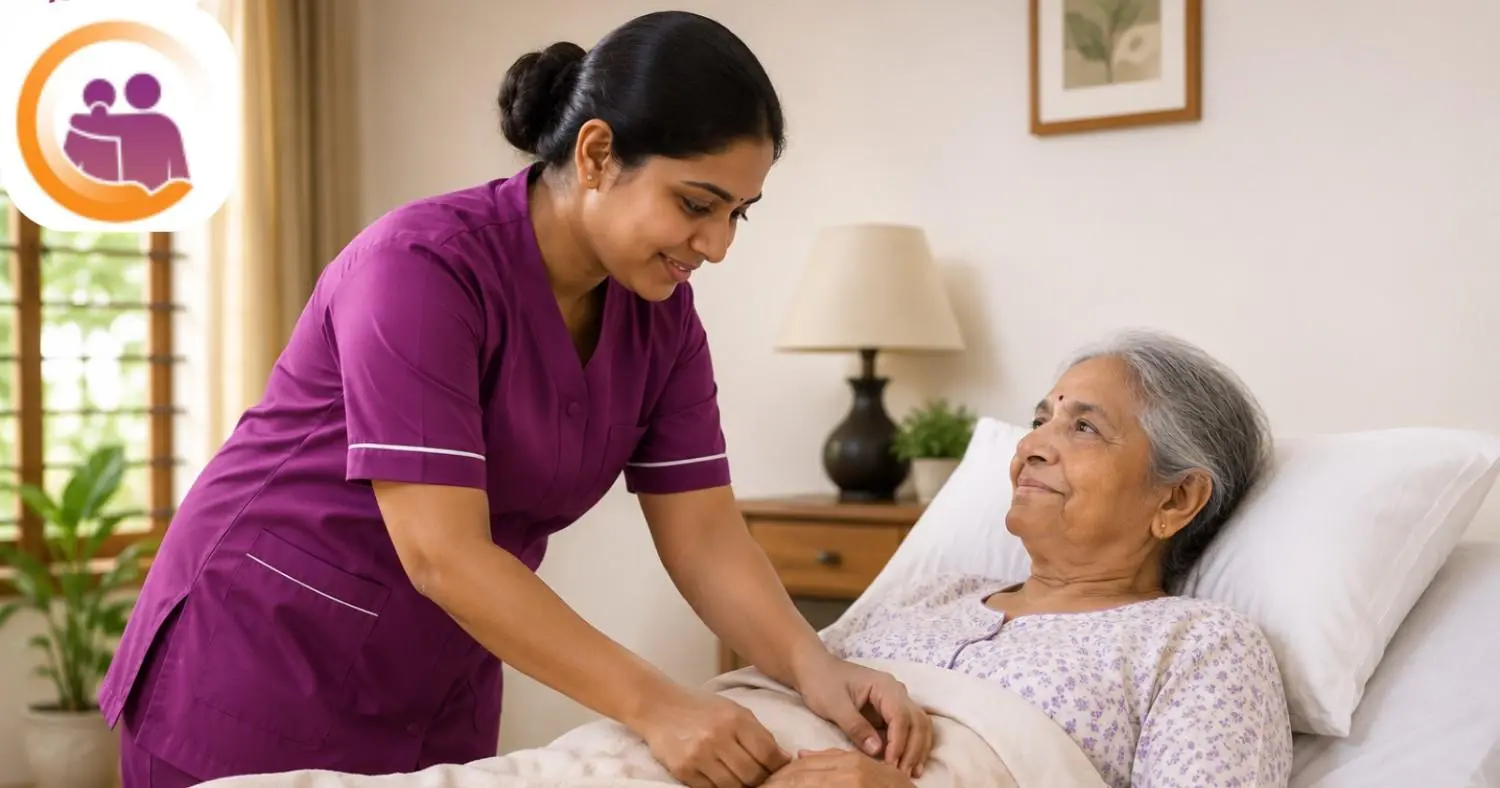
When an elderly family member becomes bedridden — whether due to a stroke, a fracture, a surgery, or the gradual progression of a chronic illness — the dynamics of the entire household shift. Families suddenly find themselves navigating an unfamiliar world of medical needs, round-the-clock supervision, physical assistance, and emotional caregiving, often while still managing their own professional and personal responsibilities.
In hospitals, this kind of hands-on, bedside support is provided by ward helpers or ward attendants — trained individuals who assist nursing staff with the day-to-day physical care of patients. But what happens when a patient is discharged and goes home? What happens when the senior is stable enough not to need hospitalization, but still requires significant daily assistance? This is where Wardgirl services at home come in.
In this blog, we’ll explore what Wardgirl services are, why they matter deeply for bedridden elderly patients, how they help families cope, and how Anvayaa’s Wardgirl service at home is helping seniors across India live with the safety, comfort, and dignity they deserve.
What Is a Wardgirl Service at Home?
The term “wardgirl” (or ward attendant) comes directly from the hospital setting, where these trained caregivers assist patients with daily physical needs alongside the nursing team. At home, a Wardgirl service refers to a trained female care attendant who provides dedicated, hands-on personal care and assistance to a patient — typically a bedridden or mobility-impaired senior — in the comfort of their own home.
Unlike a nurse, whose primary role is clinical and medical, a Wardgirl focuses on personal care, comfort, and day-to-day physical assistance. She is the person who is physically present — helping with bathing, repositioning in bed, feeding, hygiene, and companionship — ensuring that the patient’s daily life remains as comfortable and dignified as possible despite their physical limitations.
This service is especially valuable for:
- Seniors who are bedridden following a stroke or neurological condition
- Elderly patients recovering from hip replacement, knee surgery, or other major procedures
- Those living with advanced Parkinson’s, severe arthritis, or other progressive conditions that limit mobility
- Patients with dementia or Alzheimer’s who require constant supervision and physical assistance
- Any elderly individual who cannot independently manage basic activities of daily living such as bathing, grooming, eating, or toileting.
The Reality of Caring for a Bedridden Senior at Home
Families who have cared for a bedridden elderly parent or grandparent know how physically and emotionally demanding the experience can be. A bedridden patient cannot simply be left alone — their needs are constant and often unpredictable.
Without adequate support, families face challenges like:
Physical strain on family caregivers. Assisting someone who is bedridden — helping them turn, sit up, transfer to a wheelchair, or get to the bathroom — requires physical strength and proper technique. Family members who attempt this without training frequently injure themselves, especially their backs.
Risk of complications for the patient. Patients who remain in one position for too long develop pressure sores (bedsores) — painful, serious wounds that can become infected and life-threatening. Regular repositioning, proper skin care, and hygiene are essential to prevent this, and they require consistent, trained attention.
Hygiene and infection management. Maintaining proper hygiene for a bedridden patient — including bathing, catheter care if applicable, oral hygiene, and wound care — is critical for preventing infections. These tasks require both training and patience, and they must be performed regularly every single day.
Feeding and nutritional support. Some bedridden seniors struggle with swallowing or appetite. Ensuring they receive adequate nutrition, at the right pace and in the right form, requires attentive, patient assistance at every meal.
Emotional isolation. Being confined to a bed is psychologically exhausting. Seniors who are bedridden often experience depression, frustration, loss of self-worth, and a sense of profound helplessness. A compassionate, present caregiver who engages with them, talks to them, and treats them with respect is as important for mental wellbeing as any physical care task.
Caregiver burnout. Even the most devoted family members reach a breaking point. Sleep deprivation, emotional exhaustion, and the relentless nature of round-the-clock caregiving can quickly lead to burnout, which ultimately harms both the caregiver and the patient.
A trained Wardgirl at home addresses all of these challenges — providing professional, consistent, compassionate care that takes the pressure off family members and ensures the patient receives what they truly need.
Wardgirl Service at Home: Ensuring Safety, Comfort, and Dignity for Seniors
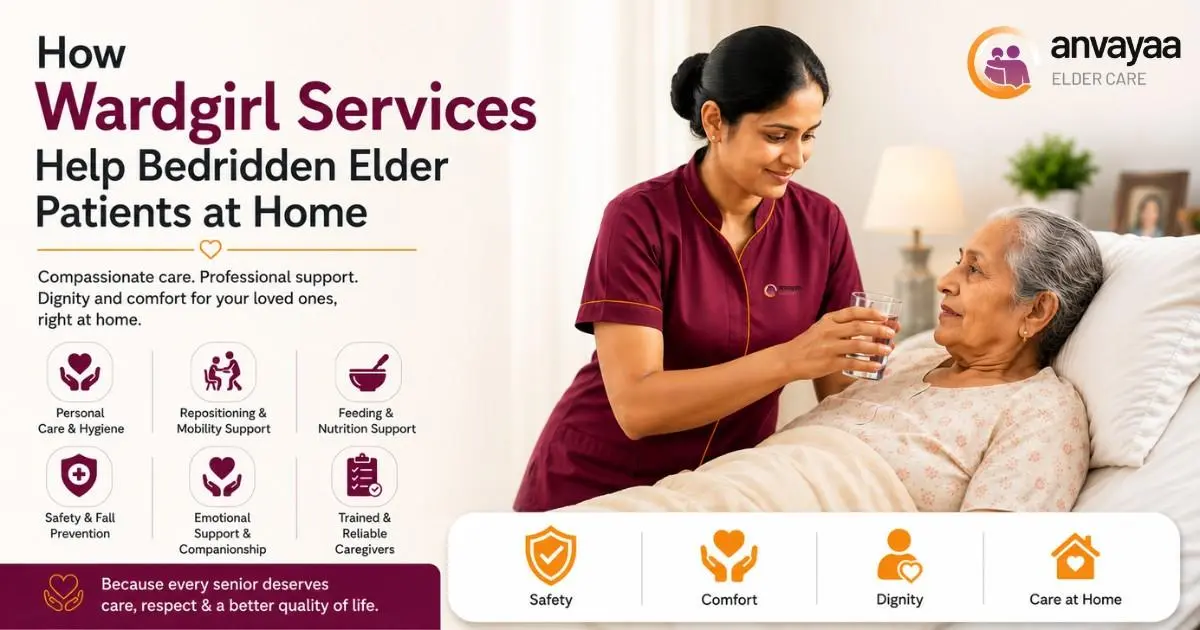
The three words that best describe what a quality Wardgirl service delivers are safety, comfort, and dignity — and each of these matters more than families sometimes realize.
Safety: A bedridden or mobility-impaired senior faces real, serious safety risks every day. Falls during an attempt to get out of bed unassisted are among the most common and dangerous events for elderly patients — a single fall can lead to a hip fracture or head injury that dramatically changes a senior’s trajectory.
A trained Wardgirl ensures:
- Proper positioning and support when the patient is being moved, transferred, or assisted
- Bed rails, positioning aids, and support equipment are used correctly
- The environment around the patient is kept clean, uncluttered, and safe
- Any changes in condition — changes in skin colour, breathing, alertness, pain levels — are noticed promptly and flagged to the family or nursing staff
- Medications are given at the right time, in the right form (crushed, dissolved, or whole as appropriate for the patient’s swallowing ability)
Comfort: Physical comfort for a bedridden patient is not a luxury — it is a medical necessity and a basic human right. Discomfort from poor positioning, itching, soiled clothing, hunger, or thirst adds measurable psychological and physical suffering to an already difficult situation.
A Wardgirl provides comfort through:
- Regular turning and repositioning (typically every two hours) to relieve pressure and prevent bedsores
- Gentle bed baths, sponging, and skin moisturizing to keep skin clean and healthy
- Oral hygiene care, including brushing teeth or cleaning the mouth after meals
- Changing clothing and bed linens regularly to maintain freshness and cleanliness
- Assisting with meals, ensuring the patient eats comfortably, at the right pace, without rushing
- Providing warm company, conversation, and a calm presence throughout the day
Dignity: Perhaps the most important and most easily overlooked aspect of bedridden care is dignity. No person — regardless of age or physical condition — should be made to feel like a burden or lose their sense of self-worth because they need assistance with basic bodily functions.
A good Wardgirl understands this intuitively. She performs personal care tasks — bathing, toileting, grooming — with privacy, gentleness, and respect. She addresses the patient by their preferred name, speaks to them as a capable adult, and includes them in small decisions about their own care — what to eat, what to wear, when to rest.
This kind of dignified caregiving has a profound effect on a bedridden senior’s mental and emotional health, helping them maintain a sense of self even as their physical capabilities have changed.
Common Myths About Wardgirl Services at Home
Myth: Any family member can provide the same care with a bit of effort.
Fact: While family love is irreplaceable, the physical techniques, hygiene protocols, and patient-handling skills that trained ward attendants possess are built through experience and training. Improper care can lead to preventable complications like bedsores, infections, or fall injuries.
Myth: Wardgirl services are only needed in hospitals.
Fact: Bedridden patients at home need exactly the same quality of physical care as those in hospitals. In fact, a dedicated home Wardgirl often provides more individualized attention than a hospital ward setting allows.
Myth: It’s an admission of failure to hire a home care attendant.
Fact: Bringing in professional support for a bedridden loved one is not a sign of giving up or abandoning a family member — it is a responsible, loving decision that ensures the person receives consistent, expert care while keeping them safe and comfortable at home.
Myth: Wardgirl services are unaffordable for most families.
Fact: Compared to long-term hospitalization or facility-based care, home Wardgirl services are often significantly more affordable, and they offer the added benefit of keeping the senior in a familiar, emotionally comforting environment.
How Anvayaa’s Wardgirl Service at Home Helps Elderly Live with Dignity
Anvayaa has built its Wardgirl home care service around a simple but powerful belief: every senior deserves to age and recover in the dignity of their own home, surrounded by the people and surroundings they love — with professional care that ensures they are safe, comfortable, and genuinely looked after.
Here is how Anvayaa’s Wardgirl service makes a difference for families and their bedridden elderly loved ones:
Trained and compassionate caregivers. Anvayaa’s Wardgirls are trained in patient handling, personal hygiene care, bedsore prevention, feeding assistance, and safe mobilization techniques. They are also selected for their temperament — patience, empathy, and the ability to build trust with elderly patients, many of whom may be anxious, confused, or grieving their loss of independence.
Personalized care, built around each patient. No two bedridden seniors are the same — their conditions, preferences, daily routines, and personalities differ. Anvayaa takes the time to understand each patient’s specific situation and tailors the care routine accordingly, from the schedule of repositioning and bathing to dietary preferences and communication style.
Consistency and reliability. One of the most important things a bedridden patient needs is consistency — knowing that the same familiar face will arrive at the same time, follow the same routine, and provide care in the same respectful way. Anvayaa prioritizes continuity of caregiving, minimizing frequent changes in care staff that can be disorienting and distressing for elderly patients.
Bedsore prevention and skin care. Anvayaa’s Wardgirls are specifically trained in pressure injury prevention — a critical area of care for bedridden patients. Regular turning schedules, proper skin care, and the use of appropriate support surfaces are built into every care plan.
Family coordination and peace of mind. For adult children who live away from their parents, Anvayaa provides regular updates and maintains open communication with the family, so they always know how their loved one is doing and can feel confident that care is proceeding as planned.
Support that grows with the need. A senior’s care needs can change — sometimes quickly. Anvayaa’s services are designed to scale: starting with a few hours of daily support if that’s what’s needed, and increasing to full-time or live-in care as the situation demands, without forcing the family to find and vet new caregivers each time.
Holistic care for mind and body. Anvayaa’s Wardgirls are encouraged to engage with patients beyond just physical tasks — talking with them, listening to them, maintaining routines that give the senior’s day structure and meaning. This emotional presence reduces isolation and depression, which are real and serious risks for bedridden elderly individuals.
Final Thoughts
Being bedridden should not mean losing one’s sense of dignity, safety, or the warmth of home. With the right support system in place — trained, compassionate caregivers who understand what bedridden patients truly need — seniors can continue to receive the physical care they require while remaining in the comfort of their own homes, surrounded by what matters most to them.
Anvayaa’s Wardgirl service at home is built on the conviction that professional care and personal dignity can and should go hand in hand. For families navigating the challenges of caring for a bedridden elderly loved one, Anvayaa Elder Care offers not just trained caregivers, but a genuine partner in the caregiving journey — one who treats every senior not as a patient to be managed, but as a person to be respected, cared for, and supported with every ounce of compassion they deserve.

0 Comments